
Meet and Consult with Me

Consult with Menew headshot

Body and brain nutritional adequacy is not a given. It’s an informed habit to be cultivated and mindfully practiced. Nutritional education is the cornerstone of my work with individuals and families. 

With thousands of websites, books, and food plans to follow, many people end up with their heads literally spinning from information overload. The best part is – I’m here to help you sort through it – with simple physiology! “How food works” is explained in child, adolescent, and adult friendly terms. Humans contain trillions of cells that require specific nutrients for optimal physical and mental health.

All you need to worry about is – which foods need to be prioritized throughout the day and how your unique metabolism and nutritional needs dictate timing and portion size of daily meals and snacks. That’s all! And one more thing – a food plan must be delicious and sustainable. These basic principles are the same through every age and stage.
Let’s Discover Your Nutritional Formula for Success

Macronutrients (proteins, carbohydrates, and fats) are nutrients which are required in large quantities to provide building blocks and energy that your body and brain need to function. Micronutrients (vitamins, minerals) provide the necessary cofactors to utilize the macronutrients. They are required in very small amounts.

IMPORTANT FOOD PRIORITIES: 

  • Adequate intake of amino acids from fresh, complete and complementary  protein sources  
  • Complexing up the carbs 
  • Balancing fatty acid intake 
  • Eating more vibrantly colored fruits and vegetables, nuts and seeds
  • Learning how to wean off sweets, chips, and typical snack foods and replace with nutrient replete mini-meals
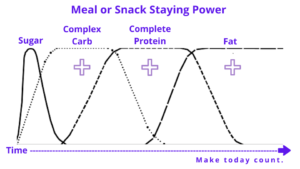
I have adapted Ellen Satter’s staying power of snacks and meals graph which is the centerpiece of our work together.

Utilizing my meal mapping/observational forms, tools and strategies, we will identify your daily macro/micro nutrient trifecta with the above priority foods. You’ll also learn to eat slower and savor each bite to get in touch with natural portion control.


Are you scratching your head, wondering how you and your family, especially your selective eater, will eat more of these priority foods? No worries. I also have experience with children as “The Feeding Whisperer”. You will receive personalized recipes and bang-for-the-buck nutrition tips to increase your family’s priority food intake – starting day one.

I also include food plans from famous athletes for aspiring sports, dance, gymnastic – and fitness enthusiasts, who may not be eating enough throughout the day. I easily wear my sports-nutritionist hat, and my “little” and “big” athletes love it!

Nutrients in Brain Health

Few people are aware of the connection between nutrition, cognition and mental health while they easily understand the connection between nutritional deficiencies and physical illness such as diabetes, obesity and heart disease. Brain health is more typically thought of as strictly biochemical-based or emotionally-rooted. On the contrary, nutrition can play a key role in: 

  • Brain development, growth and function
  • Inattention 
  • Body/headaches
  • Anxiety
  • Digestive problems
  • Stress
  • Depression
  • Fatigue
  • Sleep disturbances
  • Impulsivity
  • Mood swings
  • Strange and erratic behavior (seemingly out of nowhere)
  • Self and other aggression
  • Uncontrollable emotions 
  • Rage
  • Crime and violence


Food Addiction in Brain Health

Cutting edge research demonstrates habitual access to sugar and other addictive food substances can increase behaviors and neurochemical changes that resemble the effects of substance abuse (Avena, Rada, Hoebel 2008).

Sugar

  • Stimulates dopamine receptors
  • Neuroglycopenia ~ drop in brain glucose and compensatory release of the Fight or Flight hormone, norepinephrine
  • Hyperactivity, impulsivity, difficulty concentrating, learning disabilities
  • Anxiety, depression, sleep disturbances
  • Aggression
  • Addiction cravings and withdrawal symptoms
  • Systemic candidiasis (overgrowth of yeast, inflammation affecting mental processes)
  • Unhealthy cholesterol and triglyceride levels
  • High glucose (A1C), cholesterol/triglyceride levels-increased risk for cognitive decline

Gluten

  • Gluten exorphins have proven opioid effects ~ morphine-like substances
  • Mood swings, sleep disturbances
  • Anxiety, depression, aggressiveness
  • Brain fog, memory loss
  • Impaired focus/ADHD
  • Addiction cravings and withdrawal symptoms
  • Celiac disease
  • Weakened immune system, bloating, digestive disorders

Casein

  • A1-Beta Casein in cow’s milk contains opioid peptides (BCM 7)
  • Moodiness, mental confusion
  • Inattention, hyperactivity,
  • Anxiety, depression, sleep disturbances
  • Learning difficulties, fatigued
  • Addiction cravings and withdrawal symptoms
  • Pro-inflammatory
  • Ear, sinus infections, GERD, respiratory issues
  • Digestive issues ~ gas, bloating, constipation, diarrhea (A2-Beta Casein cow’s milk does not contain opioid peptides and is easier to digest.)

My mentor, Professor Michael Crawford, profoundly impacted my life and the lives of thousands under my care, focusing on nutrients, brain chemistry, and human nutrition.

Children with neurodevelopmental conditions, genetic anomalies, autism, ADHD, learning and language difficulties, behavioral, and mental health issues lead richer lives because of his tutelage.

Consistent nutritional adequacy provides a lifelong foundation, acting as a buffer through life’s ups and downs, improving health, and supporting brain development from adolescence into adulthood.

Early nutritional intervention is ideal when children are developing their palates and learning styles. Analyzing meal diaries and teacher observations often reveal challenging behaviors stem from lack of proper nourishment.

This is why it’s so important to build the nutritional control of error into your child’s day, especially on a school day. I’ve worked with families of children who were consistently sent home from school for behavioral issues, often due to hunger. Working with me, you will learn how to best support your child’s unique energy needs.

“Now” might not be the time to introduce new foods to children with extremely limited palates and food aversions.

Please remember, when you’re not eating your best, you’re not feeling your best. I will take a complete nutrition and health history. There might be other factors to consider that might be contributing to food avoidance such as food allergies, sensitivities, sensory or physiological issues or trauma associated with food – and the addictive nature of simple carbohydrates like sugar.

Many individuals I consult with go through withdrawal symptoms for several weeks as they cut back on simple carbohydrates, like white flour and sugar. The key to success is strategically placing sweet, salty, sour, spicey and savory taste preferences into their daily plan, as we increase priority foods.

We pan for the gold as we evaluate the child’s eating habits, zero in on “priority foods”, and find ways to slowly introduce them into preferred foods. Little by little, children begin to feel better, food anxiety lessens, sugar and simple carb cravings and tantrums diminish, and – through trial and error, we expand palates with new food and texture options.

Making meal time pleasurable and nourishing is a priority. Little and big “chef” jobs provide a sense of purpose, community, and increased self-worth. Intentional shopping, meal planning, and food preparation benefit the entire family.